AWS RDS vs DynamoDB – SQL vs NoSQL in AWS
90 Days of Cloud Challenge: Day 6
By Sandip Das · · 11 min read
💡
Hey — It's Sandip Das 👋
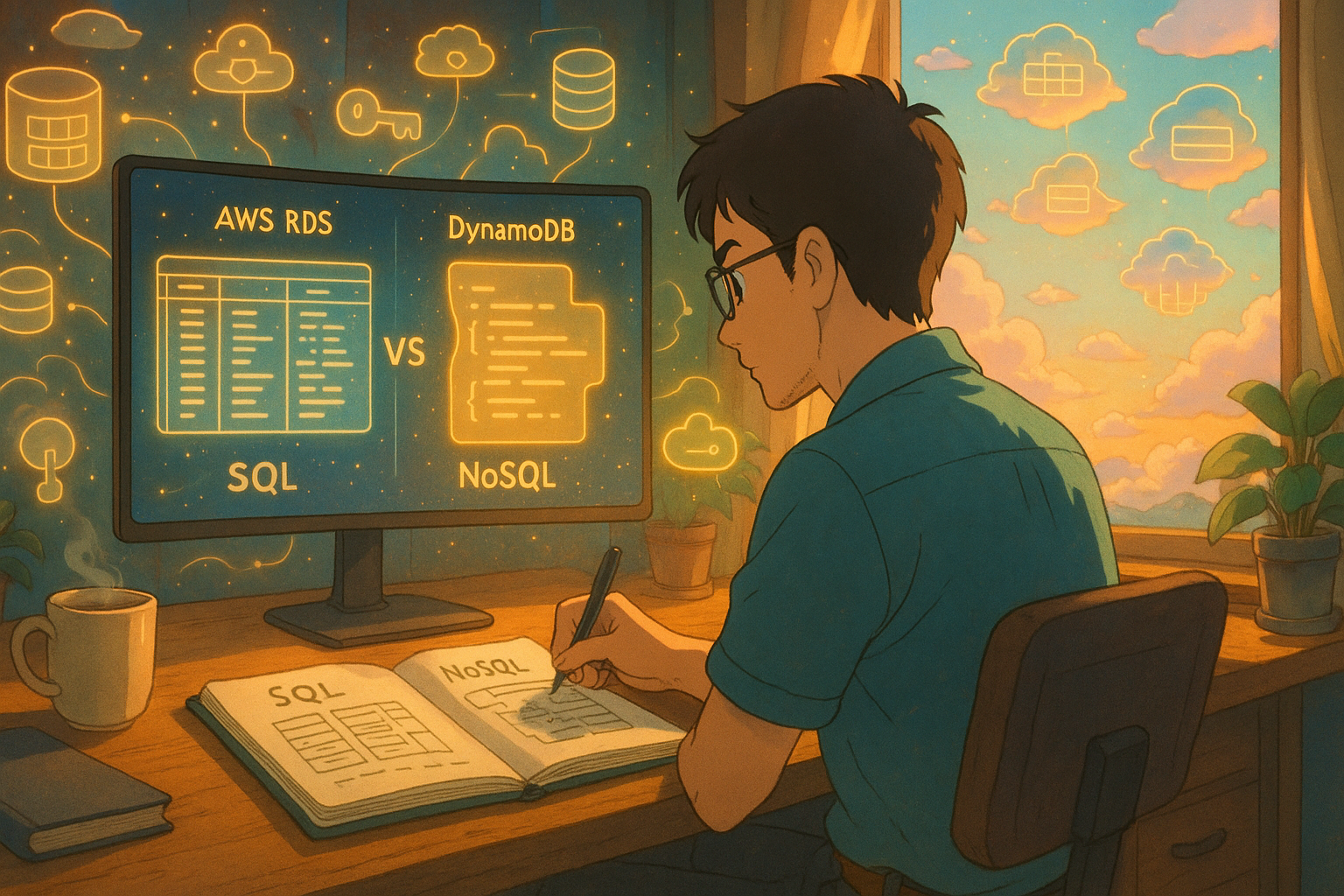
We should learn RDS and DynamoDB to understand when SQL or NoSQL fits best, helping them design scalable, cost-efficient systems while meeting real-world application demands with the right balance of performance and flexibility.
We should learn RDS and DynamoDB to understand when SQL or NoSQL fits best, helping them design scalable, cost-efficient systems while meeting real-world application demands with the right balance of performance and flexibility.
📚 Key Learnings
- Understand the difference between SQL (Relational) and NoSQL (Non-relational) databases.
- Learn how Amazon RDS provides managed relational databases (MySQL, PostgreSQL, Oracle, SQL Server, Aurora).
- Learn how Amazon DynamoDB provides fully managed NoSQL key-value & document store.
- Explore use cases of SQL vs NoSQL in cloud-native applications.
- Understand scaling: vertical scaling (RDS) vs horizontal scaling (DynamoDB).
- Learn backup, high availability, and replication features for both services.
Read the full article on learnxops.com.
Topics: AWS DynamoDB, AWS RDS, Community, AWS, 90 Days of Cloud